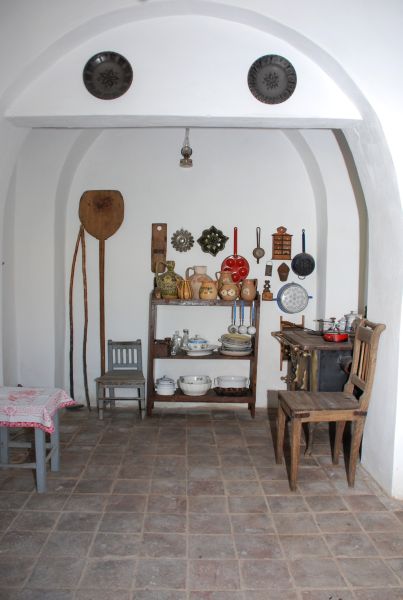
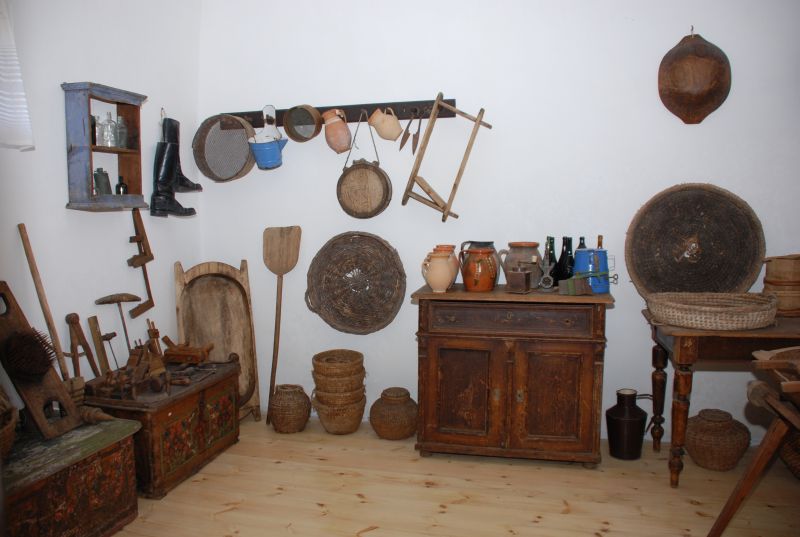
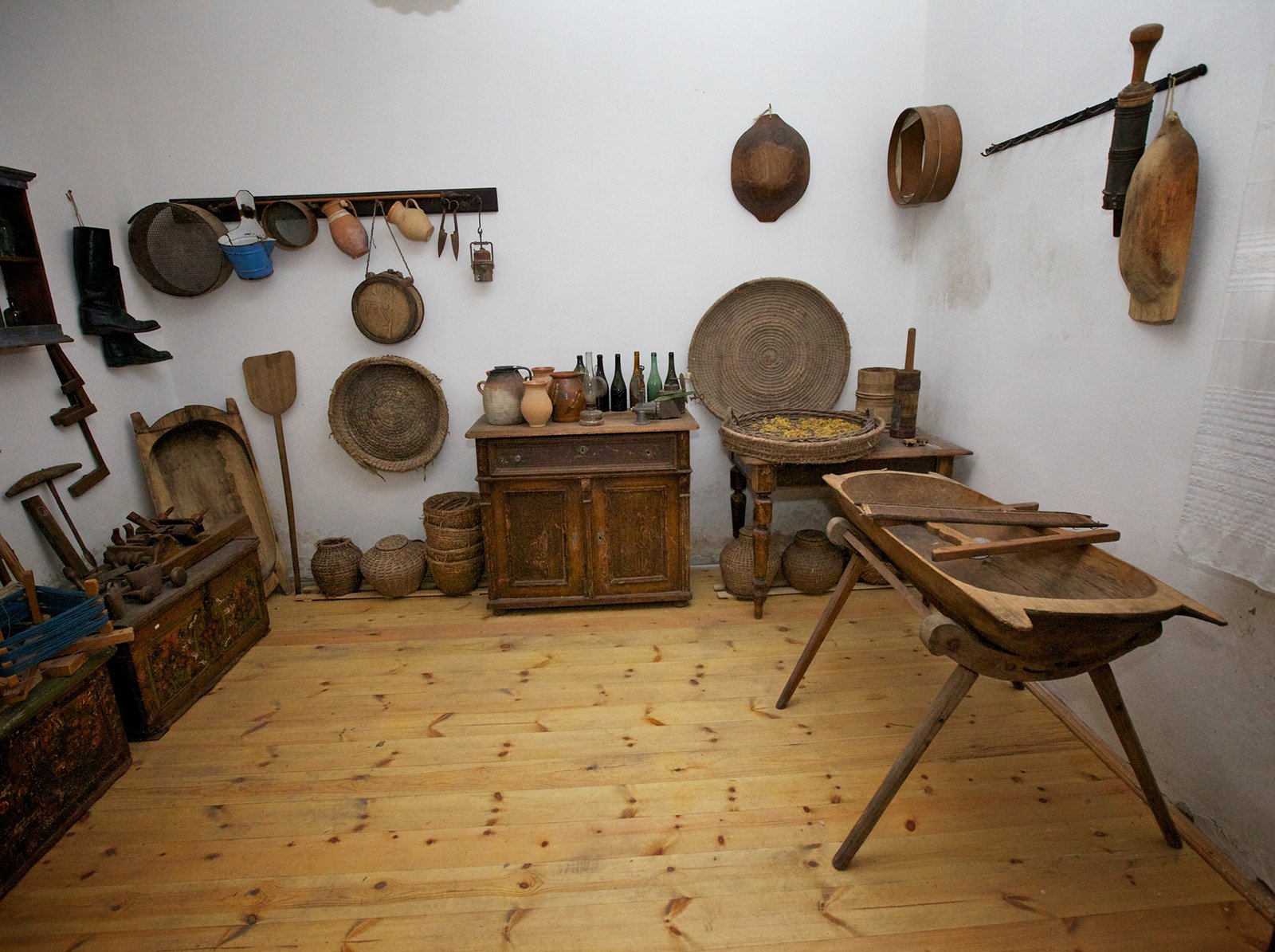
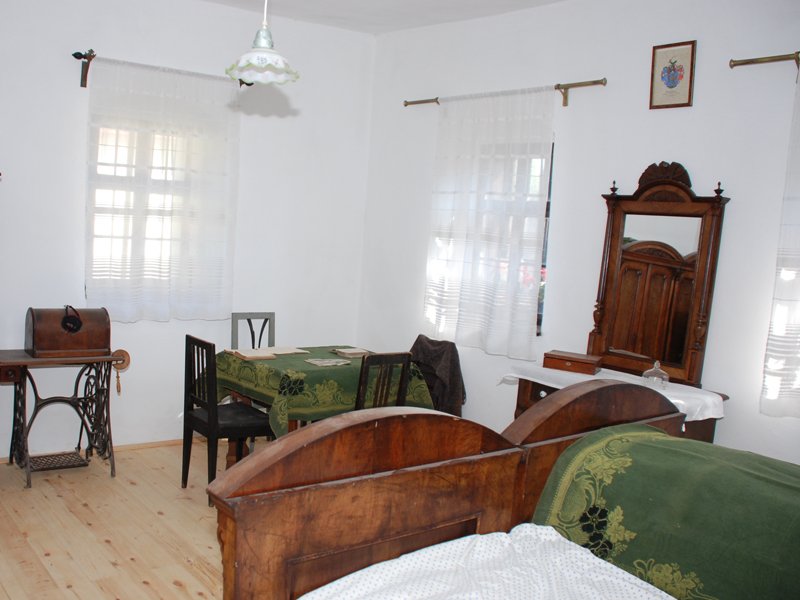
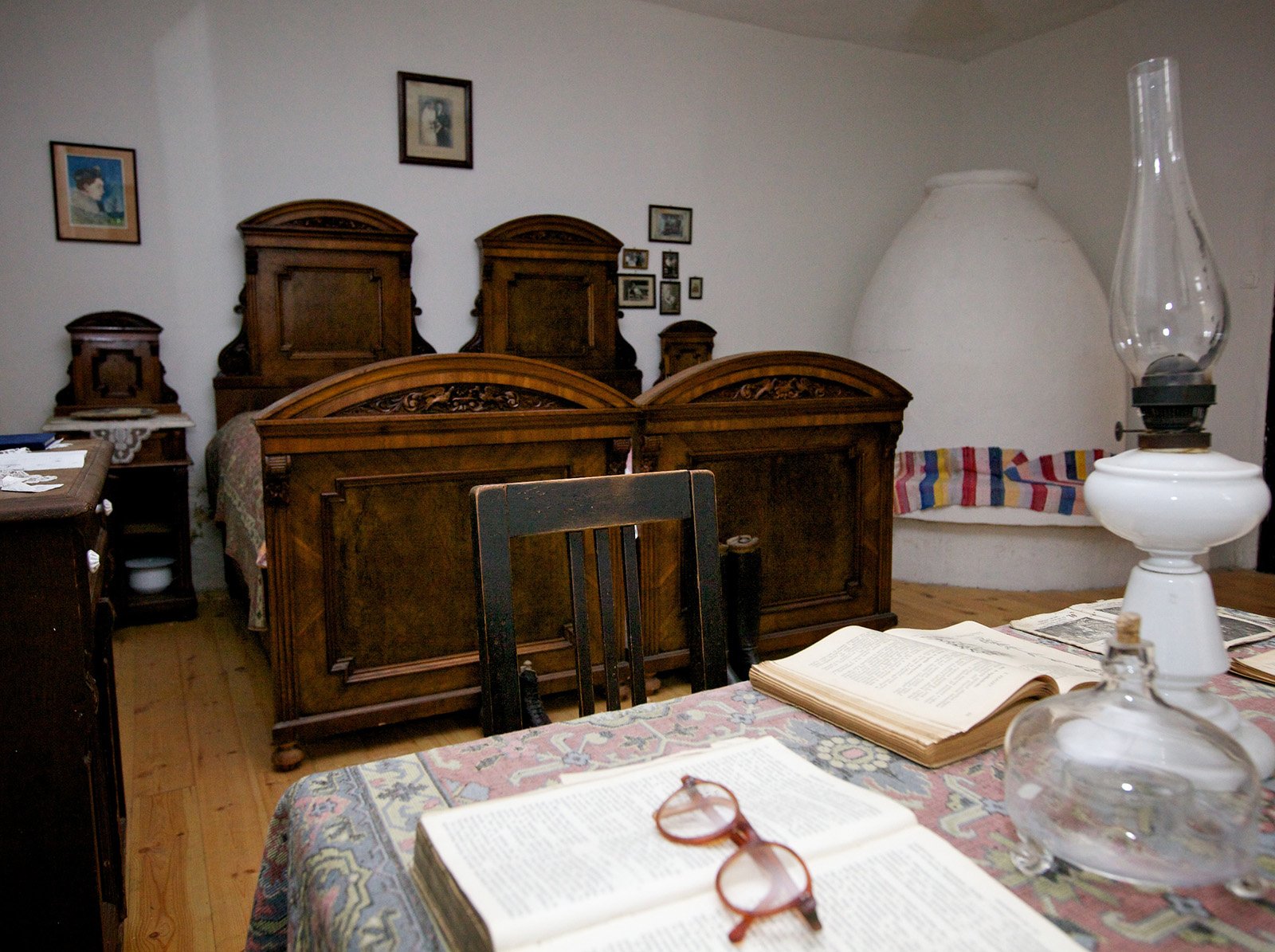
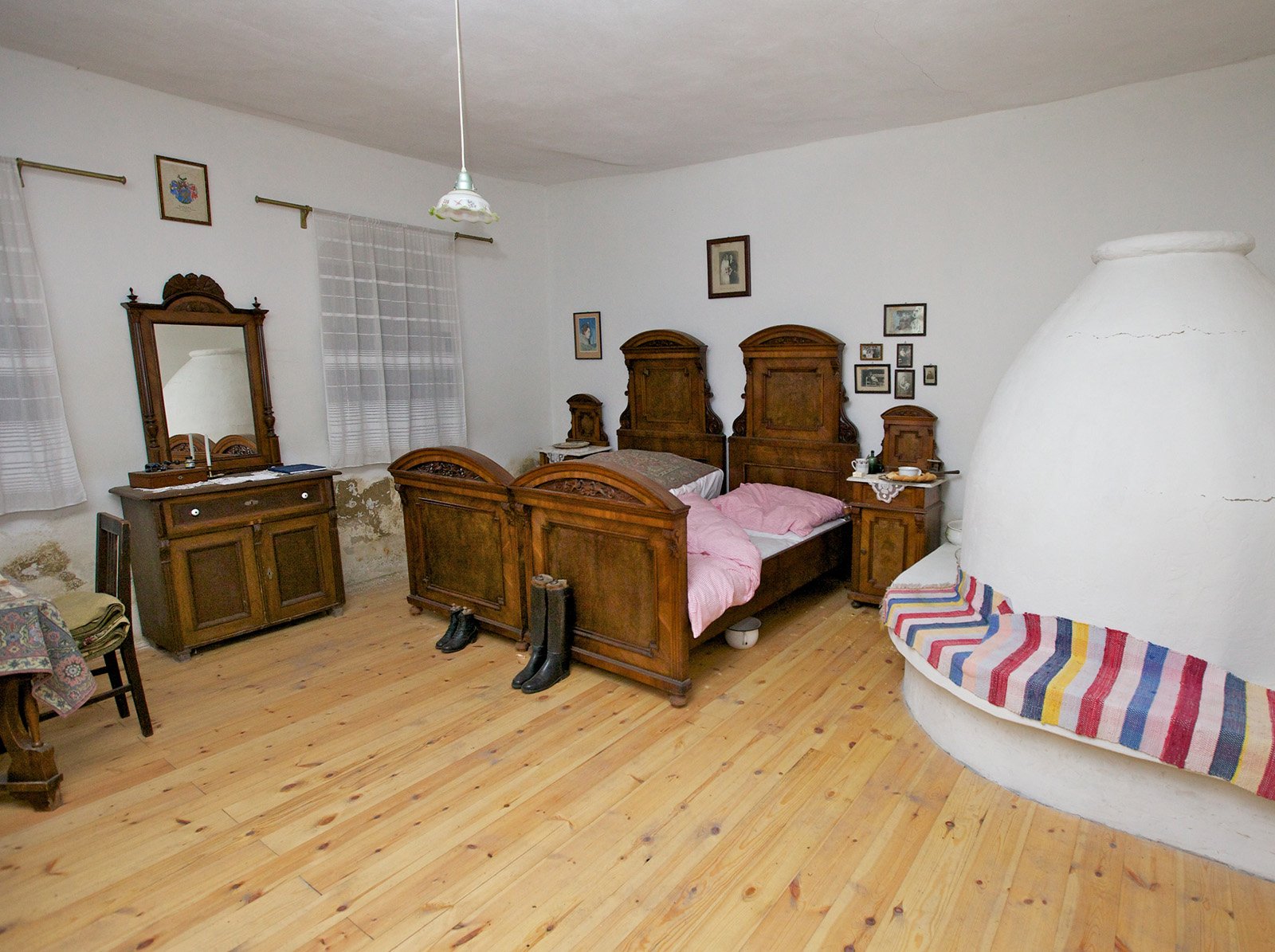
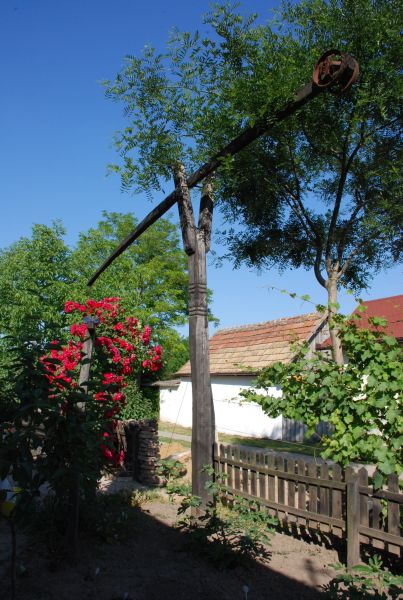
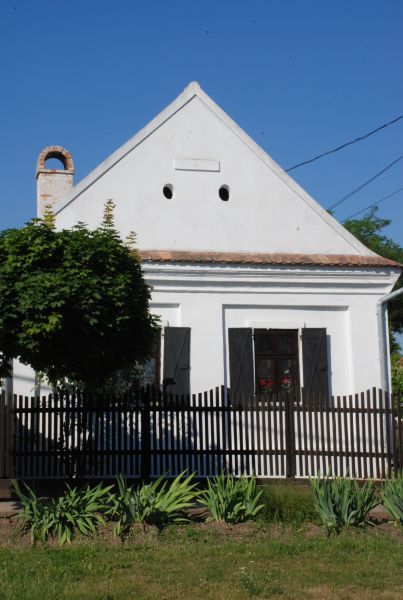
The building, which has been recently renovated and furnished with period furniture, now houses the Farmhouse Museum. The herb garden in front of the house is home to around 50 varieties of herbs.
The permanent exhibition, the Pine-needle and Frascari, presents the healing tools and folk medicine, but also the old way of life through the furnishings.
In the craft workshop you can also see the exhibition Enamels and 100 Years in 10 Minutes, with kitchen and other utensils, tools and furniture from old households.
There are regular pre-announced programmes for groups of adults and children, families, showing the household chores of our ancestors, including: hatching, weaving*, soap making*, candle making*, textile dyeing*, preserving, drying, mud and clay making, pasta making*, paper dipping, jam making, cabbage pickling, bread baking*, sausage making. (Programmes marked with an * can be booked at any time of the year, but programmes not marked with an * can only be organised outside the scheduled and advertised dates, with a reduced content.)
Visitors can take part in the demonstrations, see for themselves how our objects and foods were made in the past and how they can still be made today, in the traditional way.
Programmes can be booked at other times if there are at least 8 participants.
The old traditions live on in the port, with programmes offering a variety of traditional folk crafts.
It is important to preserve the old techniques of object-making, our unique richness of samples. Unique utensils and ornaments, children's toys, home textiles are made using traditional and more recently developed techniques.
In the handicraft programmes, the objects are made from natural materials using traditional techniques, but recycling is also important: materials that have become waste in the household can also be used as raw materials to make useful, aesthetic and unique objects. Visitors can also learn about different decorating and object-making techniques in the craft sessions.
The herb garden of the Farmhouse and the plants it contains will be presented by a phytotherapist. Visitors can learn about medicinal plants, their cultivation, collection, use, application, which diseases they are indicated for, what are the possible contraindications to their use. Members of pre-registered groups can also taste herbal teas.